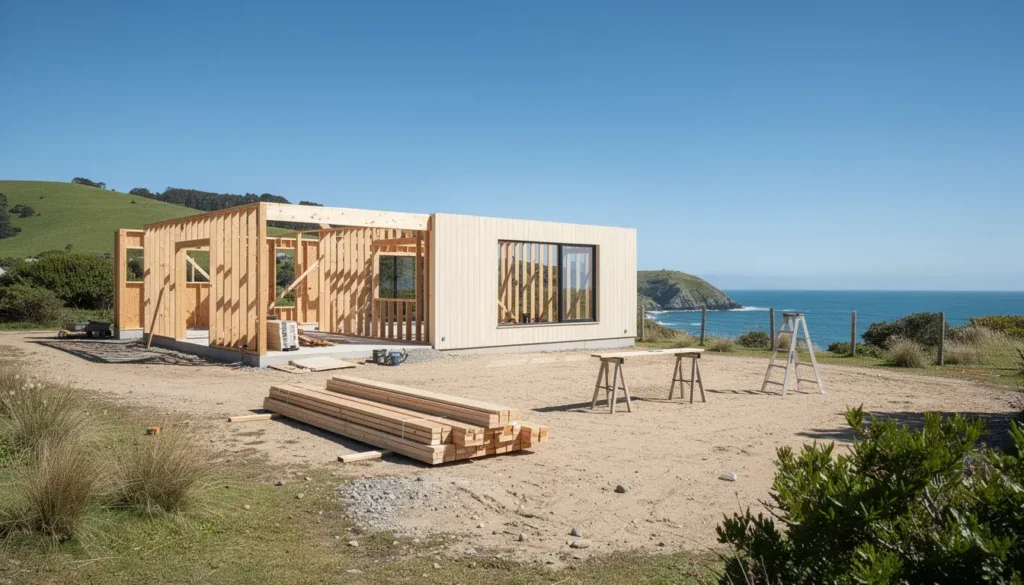
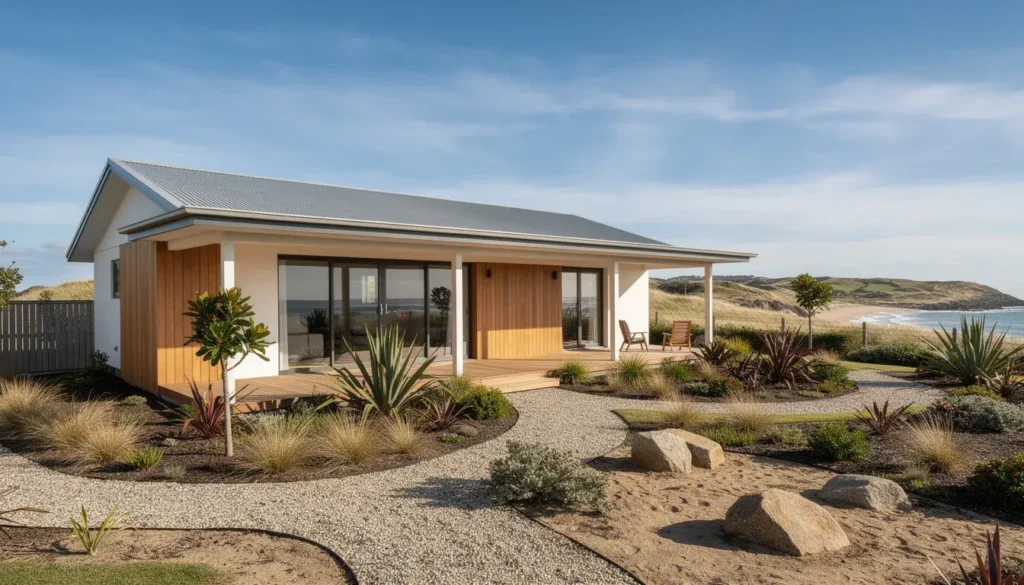
Welcome to our comprehensive guide on home renovation costs in the Bay of Plenty! Whether you’re dreaming of a simple update or a full-scale transformation, we’re here to help you navigate the renovation process with confidence. Explore detailed cost breakdowns, expert tips, and practical advice tailored specifically for Tauranga homeowners and beyond. Let’s embark on your renovation journey together and turn your dream home into a reality while keeping your renovation budget on track.
Thinking about transforming your Bay of Plenty home? Whether you’re updating a tired 1970s brick in Greerton or planning a full architectural overhaul in Mount Maunganui, understanding what you’ll actually pay is the first step toward a successful home renovation project.
This guide breaks down real 2026 home renovation costs across the Bay of Plenty region from Tauranga to Rotorua to Whakatāne so you can plan with confidence and avoid budget blowouts that derail so many local projects.
Table of Contents
Key Takeaways
- Full home renovations in the Bay of Plenty typically range from $2,800–$4,500+ per square metre in 2026, with complex coastal or hillside projects exceeding $5,500 per m². A standard 3-bedroom, 100m² home renovation without major structural changes usually falls between $90,000 and $140,000, while high-end architectural upgrades can exceed $250,000.
- Tauranga, Mount Maunganui and Papamoa tend to be 5–15% more expensive than inland areas like Te Puke or Kawerau due to demand, access challenges, and higher labour rates in these sought-after coastal locations.
- Older bungalows and 1960s–1980s homes around Tauranga and Whakatāne often need wiring, plumbing and insulation upgrades to meet current Building Code requirements, adding $15,000–$40,000 to renovation budgets before you even start the visible improvements.
- Kitchen and bathroom renovations deliver the strongest return on investment in the Bay of Plenty market, with mid range kitchen renovation projects typically costing $22,000–$40,000 and bathroom updates ranging from $12,000–$30,000 depending on scope.
- Throughout this guide, you’ll find Bay of Plenty-specific cost ranges by room, real example budgets for common home types, the most frequent budget traps local homeowners encounter, and practical tips to keep your renovation on track without compromising quality.
How Much Do Home Renovations Cost in the Bay of Plenty in 2026?
Home renovation cost in the Bay of Plenty varies significantly based on what you’re tackling. A cosmetic refresh might set you back $30,000–$60,000, while a full home renovation cost for a complete transformation typically sits between $90,000 and $300,000+ depending on project scope and finish level.
For mid range full renovations, expect to pay approximately $2,800–$4,000 per square metre in 2026. Coastal suburbs like Mount Maunganui and Papamoa often push into the $4,500–$5,500+ per m² range due to access constraints, the need for corrosion-resistant materials, and strong demand for skilled trades in these areas.
Here’s a quick snapshot of typical 2026 costs:
| Renovation Type | Cost Range |
|---|---|
| Cosmetic update (paint, carpet, lighting) | $30,000–$60,000 |
| Partial renovation (kitchen + bathroom) | $50,000–$100,000 |
| Full home renovation (mid-range) | $90,000–$180,000 |
| Full renovation with extension | $150,000–$300,000+ |
| High-end architectural renovation | $250,000–$450,000+ |
Per-square-metre costs often exceed new build rates because renovation work involves demolition, integrating new structure with existing framing, and bringing older Bay of Plenty homes up to the current Building Code. The average cost per square metre for new builds in the region sits around $3,353, but renovations frequently exceed this due to project complexity.
Typical project durations range from 6–12 weeks for single-room projects to 3–9 months for whole-house renovations. More complex projects involving structural changes, extensions, or council consent delays can stretch well beyond these timeframes.
Key Factors Affecting Home Renovation Costs in Bay of Plenty
Four main cost drivers shape what you’ll pay for house renovations in the region: location, type of renovation, labour and material costs, and council consent requirements. Understanding these factors helps explain why two seemingly similar projects can differ by tens of thousands of dollars.
Local labour availability, coastal weather conditions, and access challenges on steep sites throughout Welcome Bay, Otumoetai and the surrounding hills can shift budgets dramatically. Let’s break down each factor.
Location Within Bay of Plenty
Renovation costs are generally highest in Tauranga, Mount Maunganui and Papamoa. Strong demand, traffic and parking constraints for trade vehicles, and elevated site costs all contribute to premium pricing in these coastal areas.
Rotorua, Whakatāne, and inland towns like Te Puke, Edgecumbe and Kawerau often have slightly lower labour rates. However, these savings can be offset by extra freight and travel charges when specialist trades need to travel from Tauranga or Hamilton.
Remote lifestyle blocks near Pyes Pa, Oropi or the Ōhope hills present their own challenges:
- Access track requirements for delivery vehicles
- Additional scaffolding on steep or uneven terrain
- Higher costs for transporting demolition waste to Tauranga or Rotorua transfer stations
- Limited mobile coverage affecting trade coordination
Comparison example: The same 120m² renovation might cost $330,000 in central Mount Maunganui but $290,000 in Edgecumbe, assuming similar specifications and finishes.
Type and Scope of Renovation
Full renovations covering kitchen, bathrooms, flooring, interior re-lining and limited structural work cost significantly more than single-room or cosmetic updates. The total cost scales not just with size, but with complexity.
Wet areas kitchen, bathroom and laundry typically cost the most per square metre. Plumbing, waterproofing and compliance requirements drive these costs, especially in older coastal homes where moisture issues are common.
The gap between cosmetic and structural changes is substantial:
| Project Type | Typical Cost Range |
|---|---|
| Cosmetic changes (paint, carpet, lighting) | $15,000–$40,000 |
| Kitchen or bathroom renovation | $20,000–$45,000 each |
| Removing load-bearing walls | $8,000–$25,000 |
| Adding bi-fold doors to harbour views | $12,000–$30,000 |
| Second-storey addition | $200,000–$450,000+ |
Example scenario: A cosmetic spruce-up of a 3-bedroom Welcome Bay home from the 1980s may sit around $40,000–$70,000. Adding an open-plan extension can easily double that renovation budget.
Labour and Material Costs
Bay of Plenty builders, plumbers and electricians commonly charge $80–$130+ per hour in 2026, with Tauranga city trades typically at the upper end of this range. Skilled specialists engineers for retaining walls near coastal dunes, waterproofers, heritage joiners for villas in older Tauranga streets command even higher rates.
Material quality significantly impacts overall cost. Consider these typical choices:
- Flooring: Vinyl flooring ($40–$80/m²) versus hardwood floors ($150–$300/m²)
- Roofing: Standard Colorsteel for coastal resistance versus premium materials
- Windows: Standard aluminium versus upgraded double glazing joinery for salty air
- Benchtops: Laminate ($200–$500/linear metre) versus engineered stone countertops ($600–$1,200/linear metre)
A rough breakdown of where your money goes:
- Labour: 40–55% of total renovation cost
- Materials: 30–40%
- Design, consents and contingencies: 15–25%
Council Consents and Compliance
Structural work, new bathrooms, major plumbing and electrical work changes, and most extensions require building consent from local councils. This includes Tauranga City Council, Western Bay of Plenty District Council, Rotorua Lakes Council, and Whakatāne District Council depending on your location.
Consent fees for typical home renovation projects run from approximately $1,500 to $6,000+ in 2026, varying by complexity and value of works. Additional costs may include:
- Geotechnical reports on sloping sites ($1,500–$4,000)
- Wind zone reports in coastal suburbs ($500–$1,500)
- Multiple council inspections during the build ($200–$500 each)
- Engineering reports for structural changes ($2,000–$5,000)
Non-compliant DIY work or unconsented alterations common in older baches around Maketū and Ōhope can trigger extra remedial costs before new renovation work can proceed. This is one of the hidden costs that catches many homeowners off guard.
Average Bay of Plenty Renovation Costs by Room
The following sections provide indicative 2026 ranges for typical mid range renovations in Bay of Plenty homes, excluding luxury extremes. These ranges assume professional project management and licensed trades, not DIY-only projects. GST is generally included unless otherwise noted.
Costs vary depending on the age and style of your home a 1970s brick in Greerton will present different challenges than a 1990s house in Papamoa or a character villa in central Tauranga.
Kitchen Renovation Costs Bay of Plenty
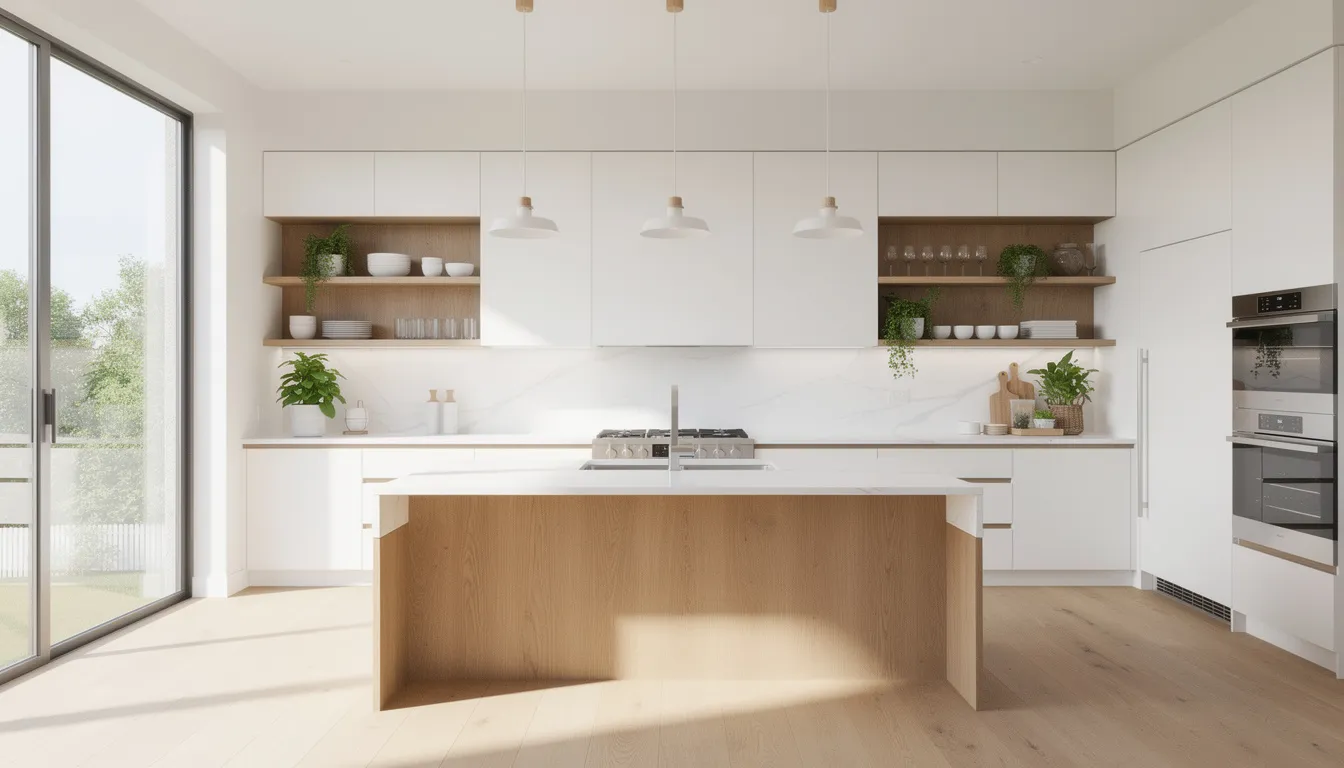
Kitchen renovation costs in the Bay of Plenty typically range from $22,000–$40,000 for a mid range kitchen renovation. High-end or large open-plan kitchens in Tauranga and Mount Maunganui often reach $45,000–$80,000+ for a luxury kitchen renovation with premium finishes.
Keeping costs manageable is possible by:
- Reusing existing layout and plumbing positions
- Retaining some appliances if they’re in good condition
- Choosing mid range materials over premium finishes
- Selecting soft-close kitchen cabinets without custom cabinetry
Common upgrades in the region that balance durability with coastal lifestyle demands include:
- Engineered stone benchtops (more affordable than natural stone)
- Soft-close cabinetry with moisture-resistant finishes
- Quality vinyl or tile flooring that handles sandy feet
- Modern lighting with energy efficient appliances
Case example: A 10–12m² Papamoa kitchen makeover with mid-range cabinets, stone benchtops, and new appliances typically sits around $32,000–$45,000. Opting for a luxury renovation with high end appliances, custom storage solutions and premium materials could push this beyond $60,000.
Bathroom Renovation Costs Bay of Plenty
Bathroom renovation costs in the region typically break down as follows:
| Bathroom Type | Cost Range |
|---|---|
| Basic upgrades (fixtures, basic tiles, paint) | $12,000–$18,000 |
| Mid-range full bathroom remodel | $18,000–$30,000 |
| High-end with walk-in shower and freestanding bath | $30,000–$45,000+ |
| New ensuite addition | $25,000–$45,000 |
Regional issues affect bathroom renovation budgets significantly. Older plumbing in 1960s–1970s Rotorua and Tauranga homes often needs complete replacement. Robust waterproofing is essential due to humidity and coastal conditions cutting corners here leads to expensive problems later.
Adding a new ensuite to a master bedroom in Bethlehem or Papamoa East typically requires new plumbing runs and building consent, pushing costs into the $25,000–$45,000 bracket. However, kitchen and bathroom renovations remain among the smartest investments for both lifestyle and resale value.
Cost-saving options include:
- Ceramic tiles instead of natural stone
- Keeping existing plumbing positions where possible
- Standard vanities rather than custom units
- Quality but mid-range tapware and fixtures
Living Areas and Open-Plan Conversions
Simple living room updates deliver a huge difference in how your home feels without breaking the bank:
- Painting, carpet, lighting and new trims: $8,000–$25,000 depending on room size
- New light fixtures and modern lighting throughout: $2,000–$8,000
- Replacing older flooring with vinyl flooring or laminate: $3,000–$12,000
Converting separate kitchen and lounge into open-plan living space popular in older Tauranga and Rotorua houses typically costs $25,000–$80,000+. This escalates when removing structural walls and installing large sliders to decks.
Common Bay of Plenty layouts from the 1970s often feature a central wall that blocks harbour or garden views. Removing this wall requires engineering input and steel beam installation, adding $8,000–$20,000 to the project before finishes.
Remember that furniture, window treatments, and heating/cooling upgrades are usually additional costs beyond core building work.
Bedroom Renovations
Standard bedroom refreshes are among the most cost effective improvements you can make:
| Upgrade Level | Cost Per Room |
|---|---|
| Basic (paint, carpet, wardrobe doors, light fixtures) | $4,000–$12,000 |
| Mid-range (add built-in wardrobes, insulation, new joinery) | $10,000–$18,000 |
| Major (combine rooms, structural work, consent required) | $25,000–$60,000+ |
Adding double glazing in coastal Papamoa addresses both energy efficiency and noise from surf and traffic a smart investment for long-term comfort and property value.
Practical example: Modernising three bedrooms in a 1980s Rotorua home including paint, new carpet, built-in wardrobes and updated electrical work typically costs $20,000–$35,000.
Outdoor Spaces, Decks and Landscaping
Outdoor living improvements offer excellent lifestyle value in the Bay of Plenty climate:
| Project | Typical Cost Range |
|---|---|
| Basic deck replacement or extension | $8,000–$30,000 |
| New deck with covered pergola | $25,000–$60,000 |
| Full outdoor makeover (deck, pergola, planting, paths) | $40,000–$80,000+ |
Material choice significantly affects both cost and longevity:
- Treated pine decking: Most affordable, requires regular maintenance
- Hardwood floors/decking: Mid-range, naturally durable
- Composite decking: Higher upfront cost, minimal maintenance
Coastal-specific considerations include:
- Stainless steel fixings to prevent corrosion
- Slip-resistant surfaces for sandy feet
- Additional bracing for exposed hill sites
- Weather-resistant outdoor furniture and built-ins
Quality outdoor improvements can significantly boost resale value, especially in holiday and beach suburbs like Papamoa and Ōhope Beach where outdoor living is central to the lifestyle.
Full House Renovation Cost Examples in Bay of Plenty
These realistic 2026 examples are based on common Bay of Plenty home types and renovation scopes. Ranges include typical design, consent, labour and materials for mid-range projects but exclude extreme luxury fitouts. Always seek itemised quotes from licensed local builders for accurate pricing.
Standard 3-Bedroom 100m² Home (1970s Brick, Tauranga Suburb)
The scenario: A complete interior renovation including new kitchen, one bathroom upgrade, updated flooring throughout, full interior repaint, new lighting, and minor layout tweaks without major structural changes.
Expected cost range: $90,000–$140,000 for a mid-range finish in suburbs like Greerton, Gate Pā or Bellevue.
What could push costs higher:
- Removing walls and adding large stacker doors to a new deck: +$20,000–$40,000
- Upgrading all windows to double glazing: +$15,000–$25,000
- Full electrical rewiring to meet current code: +$10,000–$20,000
- Insulation upgrades for healthy homes standards: +$8,000–$15,000
With these additions, budgets could reach $150,000–$190,000. Older brick homes frequently need these upgrades once walls are opened, making contingency budget allocation essential.
Architectural Renovation and Extension (Coastal Mount Maunganui / Papamoa)
The scenario: A 160–200m² coastal home where the owner adds an upper-level extension, reconfigures living space to maximise sea views, and fully upgrades kitchen and bathrooms with premium materials.
Expected cost range: $220,000–$400,000+ for high-spec architectural renovation in sought-after streets near Mount Maunganui beach or Papamoa East.
Contributing factors to higher costs:
- Structural engineering for coastal wind and seismic requirements
- Corrosion-resistant cladding and fixtures
- Complex scaffolding and site access
- Building consent with detailed documentation
- Specialist cladding and roofing systems
- Extended design and consent timelines
These projects require careful full project management and typically involve architects, engineers and experienced renovation builders working together over 9–18 months.
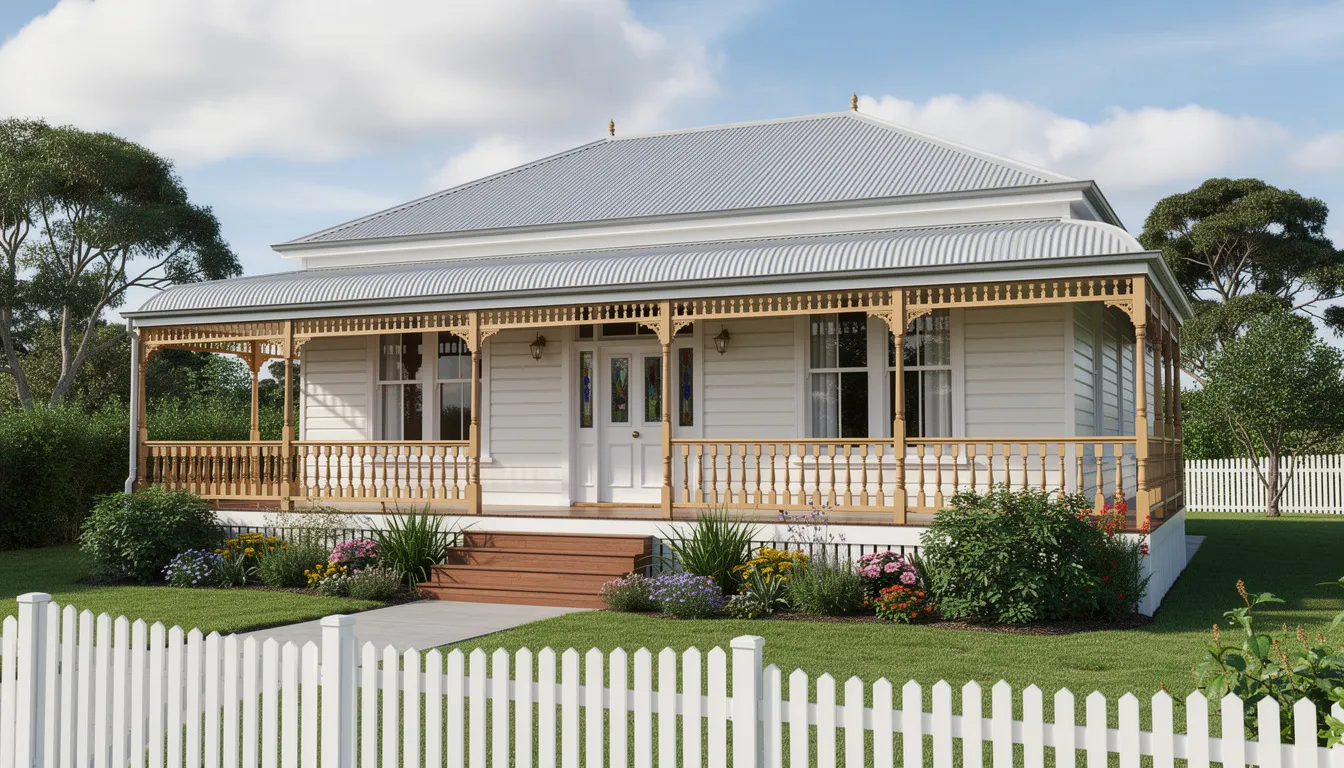
Older Villa or Bungalow Restoration (Central Tauranga / Rotorua)
The scenario: A pre-1940s villa or early bungalow in areas like central Tauranga or older parts of Rotorua requiring extensive restoration while retaining character features.
Expected cost range: Starting around $200,000 and frequently exceeding $450,000+ once hidden issues are addressed.
Common discoveries that expand budgets:
- Rotten framing requiring replacement
- Re-piling or foundation work
- Full rewiring for safety compliance
- Asbestos removal in pre-1980s materials
- Matching heritage details (timber windows, custom skirtings, feature ceilings)
- Improving insulation and performance while preserving character
Villa renovations are some of the most unpredictable projects. Costs vary widely depending on what’s discovered once walls and floors are opened. A higher contingency of 15–25% is strongly recommended for these properties.
Common Budget Mistakes in Bay of Plenty Renovations (and How to Avoid Them)
Many Bay of Plenty homeowners underestimate how coastal conditions, hidden damage, and consent delays affect their renovation budget. Poor planning and unexpected costs derail countless local projects that started with the best intentions.
The renovation process involves more unknowns than new builds, particularly in older homes common throughout the region. Always include a contingency budget of 10–20% of your total budget, with higher contingencies recommended for older properties.
Underestimating Hidden Issues in Older Homes
Many 1960s–1980s Bay of Plenty homes hide significant issues only discovered once walls are opened:
- Non-compliant wiring requiring full replacement
- Undersized framing that doesn’t meet current code
- Failing bathroom waterproofing with hidden moisture damage
- Historic leaks causing rot in unexpected locations
Typical “surprise costs” can easily add $10,000–$40,000 to any project:
| Hidden Issue | Typical Remedial Cost |
|---|---|
| Replacing rotten floor joists | $5,000–$15,000 |
| Re-levelling uneven floors | $3,000–$12,000 |
| Upgrading switchboard | $2,500–$5,000 |
| Asbestos removal | $3,000–$15,000+ |
| Replumbing galvanised pipes | $8,000–$20,000 |
Pre-renovation building reports and invasive checks can reveal some problems early, minimising mid-build shocks. Contingency funds are especially vital for villas and baches around coastal or geothermal areas where moisture and ground conditions create additional risks.
Late Design Changes and Scope Creep
Mid-project changes are among the most expensive mistakes homeowners make. Deciding to fully re-tile instead of partially renovate, moving walls, or changing window sizes mid-build creates cascading problems:
- Rework and material waste
- Additional materials at premium prices
- Rescheduling trades who’ve already moved to other jobs
- Extended timelines adding to holding costs
In busy markets like Tauranga, re-booking trades can delay projects by weeks. If you’re renting elsewhere during renovation work, each week of delay adds accommodation costs on top of the change itself.
Real example: A project targeting $120,000 grew to $170,000 after repeated mid-build design changes including a last-minute decision to enlarge windows and add underfloor heating. The final cost exceeded the realistic budget by over 40%.
Prevention strategy: Finalise layouts, finishes and fixtures before demolition begins. Create a solid plan and resist making non-essential changes during construction.
Ignoring Council Requirements and Timelines
Starting structural or plumbing work without proper consent from Tauranga City Council or other local councils creates serious problems:
- Work stoppages until consent is obtained
- Potential fines for non-compliant work
- Forced demolition of unapproved alterations
- Difficulty selling the property later
Consent processing in the Bay of Plenty typically takes 4–8 weeks or more depending on workload and project complexity. This lead time must be built into your programme before trades are scheduled.
Use designers and builders familiar with Bay of Plenty council processes to help avoid budget blowouts from documentation errors and delays. Inspection re-visits and amendments add cost when original documentation is incomplete or unclear.
How to Save Money on Your Bay of Plenty Renovation
The goal is to reduce costs without compromising safety, compliance, or long-term durability in the Bay of Plenty climate. Smart scope definition and material choices deliver better results than cutting corners on structure or waterproofing which always costs more to fix later.
Reuse and Refresh Where Practical
Strategic reuse can dramatically reduce your renovation cost:
Kitchen savings:
- Repainting or refacing sound kitchen cabinets instead of full replacement: Save $8,000–$20,000
- Keeping existing layout and plumbing positions: Save $5,000–$15,000
- Retaining good-condition appliances: Save $3,000–$8,000
Flooring savings:
- Sanding and resealing existing timber floors rather than replacing: Save $3,000–$10,000
- Keeping structurally sound decks and upgrading surfaces only: Save $5,000–$15,000
Bathroom savings:
- Maintaining existing plumbing layout while replacing fixtures and finishes
- Reusing internal doors and hardware in good condition
This approach lets you save money while still delivering a dramatic transformation.
Choose Mid-Range, Durable Materials
Mid range materials often offer the best balance of cost and longevity for Bay of Plenty conditions:
| Category | Budget Option | Mid-Range (Recommended) | Premium |
|---|---|---|---|
| Benchtops | Laminate $200–400/lm | Engineered stone $600–900/lm | Natural stone $1,000+/lm |
| Flooring | Cheap materials vinyl $30–50/m² | Quality laminate/vinyl $60–100/m² | Hardwood $150–300/m² |
| Tiles | Basic tiles $30–50/m² | Quality ceramic tiles $60–120/m² | Natural stone $150+/m² |
In coastal areas, investing slightly more in corrosion-resistant fittings, quality exterior paint systems, and durable roofing saves money over the home’s lifetime, even if it lifts initial costs. Replacing cheap materials in a few years typically costs more than choosing a solid mid-range option from the outset.
Get Multiple Quotes From Local Licensed Builders
A smart investment of time upfront saves thousands:
- Obtain at least three detailed, itemised quotes from Licensed Building Practitioners (LBPs)
- Ensure quotes clearly outline inclusions, exclusions, provisional sums, and allowances
- Check builder references and previous Bay of Plenty projects
- Review online feedback and industry memberships
A significantly cheaper quote may indicate missing scope or risk of shortcuts. Ask what’s included and excluded before comparing prices. A fixed price contract provides certainty, but understand exactly what’s covered.
Prioritise High-Impact Areas First
Rank renovation goals into two categories:
Must-haves:
- Watertight bathroom
- Safe electrical work
- Functional kitchen
- Structural integrity
- Weathertightness
Nice-to-haves:
- Luxury fittings
- Feature walls
- Premium finishes
- Secondary room upgrades
Focusing early budget on kitchens, bathrooms, weathertightness and structural integrity delivers both lifestyle benefits and stronger resale value in the Bay of Plenty market.
Consider staged renovations: tackle high-priority rooms in year one, with cosmetic upgrades following as funds allow. This approach prevents spreading your budget too thinly across the whole house and ending up with incomplete work.
DIY vs Hiring Professionals in Bay of Plenty
While some cosmetic tasks suit DIY, regulated work in New Zealand particularly structural, plumbing, and electrical legally requires licensed trades. Bay of Plenty’s coastal environment and seismic requirements make quality workmanship and compliance especially important for long-term safety.
Understanding where you can genuinely save versus where DIY might cost more in the long run helps you allocate your budget wisely.
What You Can Safely DIY
Typical DIY-friendly jobs include:
- Interior painting (with proper preparation)
- Non-structural cosmetic wall linings
- Basic landscaping and garden preparation
- Assembling flat-pack storage and furniture
- Some flooring installation if confident (floating floors, click-lock vinyl)
- Light demolition (non-structural)
DIY demolition considerations:
- Check for asbestos before disturbing any materials (common in pre-1980s homes)
- Never remove structural elements without professional assessment
- Manage waste disposal via local transfer stations in Tauranga, Rotorua or Whakatāne
- Understand what requires consent before starting
Poor DIY workmanship can reduce property value and may require professional rectification later. When in doubt, consult a builder before proceeding.
When You Need Licensed Trades and Designers
These works require Licensed Building Practitioners or registered tradespeople:
- Structural alterations and load-bearing wall removal
- New bathrooms and kitchens involving plumbing
- Electrical rewiring and significant electrical work
- Any work requiring building consent
- Waterproofing and membrane installation
- Gas fitting and plumbing modifications
Using LBPs familiar with Bay of Plenty’s specific conditions coastal winds, local soil types, geothermal areas near Rotorua helps avoid engineering or consent complications.
Designers or architects are especially valuable for:
- Complex extensions and second-storey additions
- Extensive reconfigurations on small Tauranga city sites
- Maximising views while meeting wind zone requirements
- Heritage-sensitive villa renovations
Insurance policies may be invalidated by unlicensed or non-consented work a significant risk in the event of a claim.
Risks of Cutting Corners on Professional Help
Potential consequences of inadequate professional involvement include:
- Failed council inspections requiring costly rework
- Water leaks causing structural damage
- Electrical faults creating fire risks
- Difficulty selling the property if unconsented work is discovered
- Insurance claim rejections
Cautionary example: A DIY-tiled bathroom in Papamoa without proper waterproofing membrane appeared fine for two years. Hidden water damage eventually required $20,000+ in remedial work including replacing rotted floor framing and complete re-waterproofing.
The right professionals help optimise design for Bay of Plenty conditions, improving comfort and energy efficiency while ensuring your dream home meets all requirements.
Planning and Budgeting Your Bay of Plenty Renovation
This section provides a practical roadmap for turning a rough idea and budget into a realistic, staged renovation plan suited to Bay of Plenty conditions. With proper preparation, you’ll approach builders and designers with a clear brief and realistic expectations.
Create a Detailed Budget Breakdown
List every major component with realistic cost estimates:
| Budget Category | Percentage of Total |
|---|---|
| Design and consent fees | 5–10% |
| Demolition and site preparation | 5–8% |
| Structural work | 10–25% |
| Kitchen fitout | 15–25% |
| Bathroom(s) fitout | 10–20% |
| Flooring and interior finishes | 10–15% |
| Electrical and plumbing | 10–15% |
| Exterior and landscaping | 5–15% |
| Contingency | 10–20% |
For larger projects ($200,000+) in older Bay of Plenty homes, increase contingency allocation to 15–25% due to the higher likelihood of discovering hidden issues.
Update your budget as quotes arrive and decisions are made. A single early estimate rarely survives contact with reality.
Use a Timeline and Allow for Delays
Bay of Plenty renovation timelines are affected by:
- Builder availability (often 3–9 months booking lead time)
- Weather (especially for exterior work in winter around Tauranga and Whakatāne)
- Council consent processing times (4–8+ weeks)
- Material lead times for special orders
Key phases to map:
- Design and consent (4–12 weeks)
- Demolition and site preparation (1–2 weeks)
- Structural framing (2–6 weeks)
- Services rough-in (electrical, plumbing) (1–3 weeks)
- Linings and internal walls (2–4 weeks)
- Finishing trades (paint, flooring, joinery) (2–6 weeks)
- Final inspections and completion (1–2 weeks)
Expect some delays and build flexibility into living arrangements and finances. Staged renovations reduce disruption completing kitchen and one bathroom before moving to less critical rooms keeps daily life functional.
Know When to Get Professional Cost Advice
For projects exceeding approximately $80,000–$100,000, consider:
- Professional quantity surveying for accurate cost estimates
- Detailed builder estimates early in the planning process
- Structural engineering input for complex alterations
For challenging sites steep Bethlehem properties, coastal Papamoa dunes, or geothermal areas near Rotorua early structural and geotechnical input prevents unrealistic budgets and project scope mismatches.
Contract considerations:
- Request fixed price contract options where appropriate
- Understand how cost-plus contracts work and are managed
- Clarify what’s included in provisional sums and allowances
Investing in professional advice upfront is minor compared with the cost of poorly scoped or under-budgeted projects that stall mid-construction.
Frequently Asked Questions: Home Renovation Costs Bay of Plenty
Is it cheaper to renovate in winter or summer in the Bay of Plenty?
Builder pricing typically remains similar year-round across the region. The main difference is scheduling and weather impact rather than base cost.
Winter considerations:
- More weather delays for exterior work including roofing, cladding and decks
- Interior-only projects can proceed with minimal weather disruption
- Potentially easier to book trades during slower periods
Summer considerations:
- Builders in high-demand areas like Tauranga and Mount Maunganui often book out months ahead
- Better conditions for exterior work and landscaping
- School holiday periods can affect trade availability
Some suppliers run seasonal promotions on materials, but labour availability is typically the main constraint. Plan your timing around builder availability, weather requirements for your specific work, and your living situation rather than chasing marginal cost differences.
How do Bay of Plenty renovation costs compare to Auckland or Waikato?
Bay of Plenty renovation costs sit slightly below central Auckland but can match Auckland pricing for premium suburbs like Mount Maunganui. The average cost per square metre in Bay of Plenty ($3,353 for new builds) is lower than Auckland’s $4,000+ for mid-range projects.
Regional comparisons:
- Central Auckland: Generally 10–20% higher than Bay of Plenty
- Waikato/Hamilton: Similar to Bay of Plenty, sometimes slightly lower
- Rural Bay of Plenty: Lower base rates but potential travel and freight premiums
Some trades and materials are shared across Tauranga–Hamilton–Auckland regions, keeping prices somewhat aligned. However, local quotes always trump national averages for accurate budgeting.
Can I live in my home during a full renovation?
Many Bay of Plenty families successfully live on-site during staged renovations, especially for smaller projects. Full renovations involving major demolition, structural work or complete kitchen and bathroom removal may make this impractical.
Pros of staying:
- Save on rental accommodation
- Monitor progress closely
- Easier to make quick decisions
Cons of staying:
- Dust, noise and disruption to daily life
- Potential safety hazards during major works
- Temporary loss of kitchen or bathroom facilities
- Stress on family relationships
Discuss living arrangements and safety requirements with your builder before work begins. Most builders recommend moving out during the messiest phases major demolition, rewiring, and wet area waterproofing then returning once basic facilities are restored.
How much value will a renovation add to my Bay of Plenty home?
Well-planned renovations focused on kitchens, bathrooms, insulation and outdoor flow commonly increase resale value, though exact returns depend on location and market conditions.
In popular areas like Mount Maunganui, Papamoa and Ōhope, quality renovations can significantly improve buyer appeal and shorten time on market. Kitchen and bathroom upgrades typically deliver the strongest returns, often recovering 60–80% of costs in increased property value.
Avoiding overcapitalisation:
- Keep total renovation spend within approximately 10–20% of current property value
- Research comparable recent sales in your area
- Consult local Bay of Plenty real estate agents before committing to large budgets
- Consider a property valuation before and after planning stages
Renovating purely for investment returns requires careful analysis. Renovating for both lifestyle improvement and future sale typically delivers the best outcomes.
How far in advance should I book a builder in Bay of Plenty?
Reputable builders in Tauranga, Rotorua and Whakatāne are often booked 3–9 months ahead, particularly for larger projects or during peak building seasons (spring through autumn).
Recommended approach:
- Start conversations with builders as soon as you begin serious planning
- Allow time for design development, consent processing and product selections
- Secure a slot early to avoid rushing critical decisions
- Use the lead time productively to finalise your brief and budget
Rushing to start with the only immediately available builder can be risky. Proper due diligence checking references, viewing previous work, confirming licenses protects your significant investment and helps ensure your home renovation project delivers the results you’re planning for.
Planning a home renovation in the Bay of Plenty requires solid research, realistic budget expectations, and the right team of professionals. The costs outlined in this guide provide a starting point, but every project is unique from the 1970s brick in Greerton to the coastal villa in Mount Maunganui.
Start by creating your detailed budget breakdown using the ranges above, then reach out to at least three licensed local builders for itemised quotes. Allow plenty of time for design and consent processes, and don’t underestimate the value of a healthy contingency fund.
Your Bay of Plenty home renovation can transform how you live, boost your property value, and create the spaces your family needs. With the right preparation, you’ll navigate the renovation process confidently and avoid the budget blowouts that derail too many projects.
Conclusion
Renovating your home in the Bay of Plenty is a significant investment that can greatly enhance your living space, boost your property value, and improve your overall quality of life. Understanding the various factors that influence home renovation costs in the region such as location, project scope, material quality, and council consent requirements allows you to plan effectively and set a realistic renovation budget. Whether you are undertaking a mid range kitchen renovation or a full home makeover, careful planning, professional project management, and smart material choices can help you avoid budget blowouts and unexpected costs.
By focusing on high-impact areas like kitchens and bathrooms, you can maximize your return on investment while creating a comfortable, functional, and stylish home. Remember to include a contingency fund, obtain multiple quotes from licensed professionals, and prioritize compliance with local council regulations to ensure a smooth renovation process.
With the right approach, your home renovation project in the Bay of Plenty can be a smart investment that transforms your dream home into reality, tailored to your lifestyle and budget.